
Learn with Structure
Clear progression with practical coaching support.
Learn to Play
Structured coaching helps players build understanding, confidence and consistency over time.
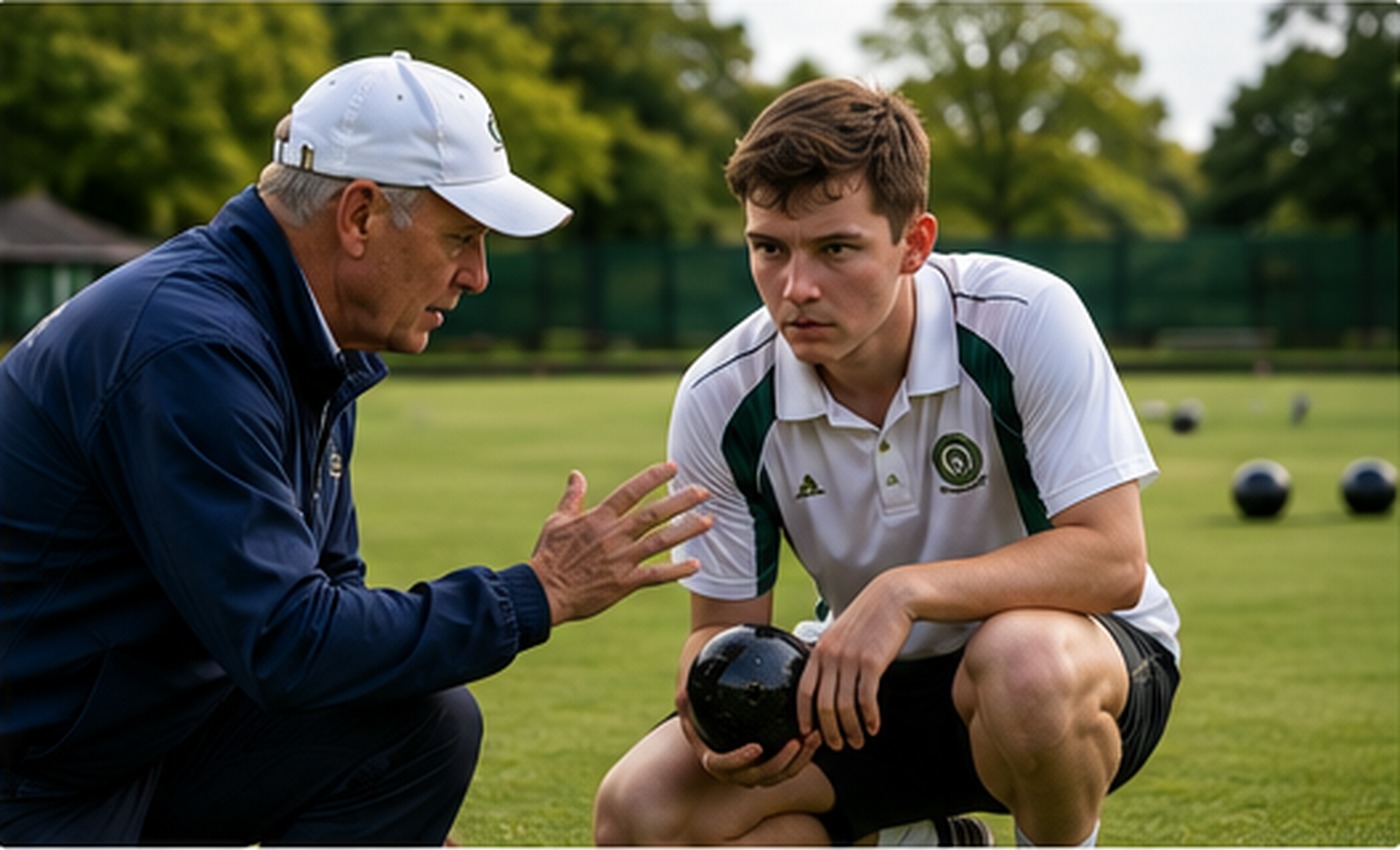
Coaching courses combine technical development, decision-making and practical game understanding.
Sessions are sequenced so each stage builds on previous learning.
New players, returning players, and players seeking clearer direction in their development.
Pathways can support both recreational and competitive goals.
Structured learning gives a player a reason for each stage. Balance, line, length and a repeatable routine create useful evidence before more complicated tactical choices are introduced. This is not about forcing one delivery style on every player. It is about finding a reliable starting point that can be repeated and understood.
A technically sound bowl only matters when it serves the situation. Use READ to understand the head, STATE to recognise the score and position, then decide the PURPOSE before choosing a TACTIC and SHOT. This keeps technique connected to decision quality rather than treating technique as an isolated performance.
Random bowls can be enjoyable but may not show what should be repeated. A player who repeats one clear intention can compare line, weight, rhythm and commitment across several bowls. For example, three attempts to draw to the same target can reveal whether the variation is mainly pace, alignment or decision uncertainty.
A skill is not complete when it works in a quiet practice. The player must recognise when to use it with a changing rink, a score to manage or a teammate depending on the result. COMMIT and REVIEW turn a practice experience into something that can transfer to an end.
Good courses move from understanding to purposeful practice, then to application and review. Progress is clearer when each stage has a reason and the player can explain what the next bowl is trying to achieve.
Structured courses and protected pupil materials develop the detailed progression, review and practice structure.
Notice whether you can explain the purpose of a practice before you begin and recognise the same situation in a game. Casual practice may produce a good bowl without showing why it worked. Structured learning asks what changed, what can be repeated, and what the next decision should be.
A player learning weight control might compare three bowls on the same target, then ask whether variation came from pace, alignment or commitment. That evidence is more useful than simply counting one successful bowl. Later, the same player can use the information in an end: if the rink is quicker and the side is holding, a controlled draw may serve the purpose better than an ambitious attack.
Takeaway: progression is understanding, purposeful repetition, application and REVIEW.
Looking for structured learning resources?
Registered pupils and coaches can access deeper course material through their protected area.